Transform Worn Boards into a Showpiece with Hardwood Floor Refinishing
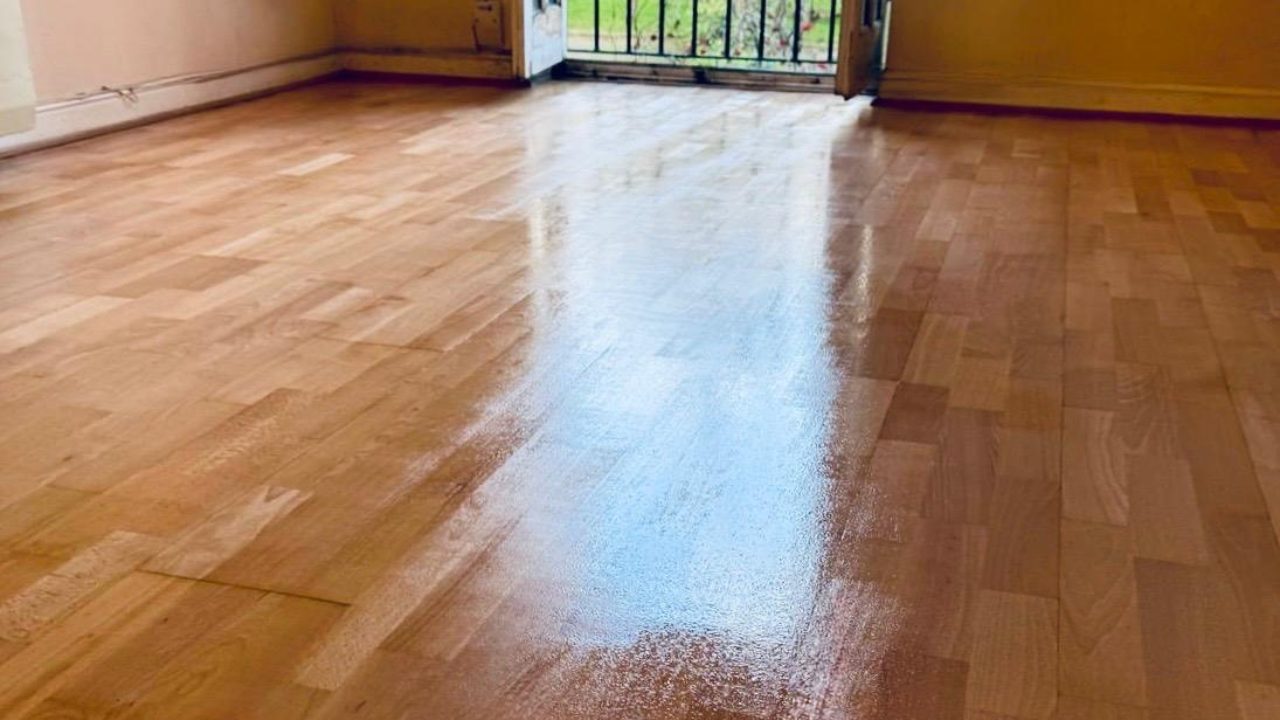
You step into a room and the floor doesn’t just look good — it feels expensive. The timber has depth. The grain has definition. The sheen is calm and confident (not “plastic-y”). And when you walk across it in socks, it’s smooth, warm, and properly finished.
That “luxury feel underfoot” isn’t luck. It’s the result of professional hardwood floor refinishing done in the right order, with the right prep, and the right finish for your home.
At Refinish Wood Floors, we refinish timber floors across London and the Home Counties — from tired boards to stunning showpieces — using a proven sanding-and-finishing process designed to deliver a durable, rich result with minimal fuss.
In this guide, you’ll learn what creates that premium look (and how to avoid the common mistakes that ruin it), plus how to choose the finish that fits your lifestyle.
What “luxury” really means in a hardwood floor finish
When most people say they want a “luxury” floor, they’re usually after a combination of these:
- Silky smoothness with no rough patches, chatter marks, or gritty texture
- Consistent colour (no patchiness, no cloudy areas, no random dark spots)
- A clean, even sheen (matt/satin/gloss that looks intentional, not accidental)
- Crisp detail in the grain — the floor looks “alive”
- Tough protection against everyday life: shoes, chair legs, dogs, kids, dropped mugs
Refinishing is what brings all of that together — because it’s not just “making it shiny”. It’s removing old coatings, levelling the surface, repairing what’s weak, then sealing the timber properly so it stays beautiful.
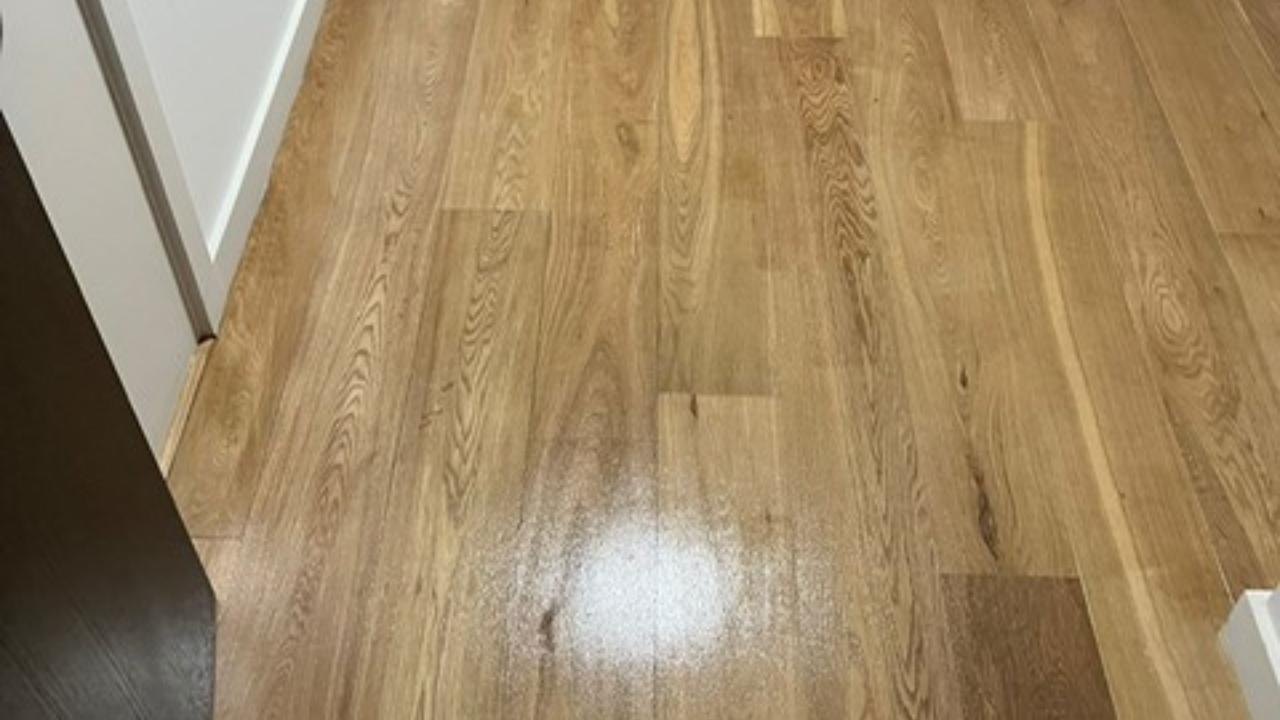
The secret behind that rich, high-end look: the process
If you want a floor that feels luxurious, the process matters more than any single product.
1) Repairs first: stop the floor from “showing its age”
A premium finish starts with a floor that’s structurally sound and visually tidy. That includes:
- Resetting loose boards
- Removing old tacks/nails and dealing with protruding fixings
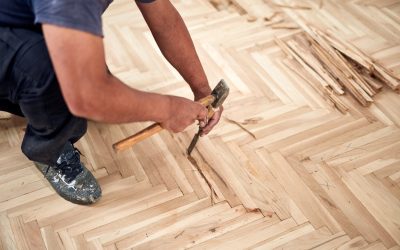
- Replacing boards that are damaged beyond repair (ideally with reclaimed timber to match)
This is where a lot of DIY jobs fall apart: they sand a problem… and the problem comes right back through the finish.
If your boards move, squeak, or have damage, start with wood floor repairs before you think about stain or sheen.
2) Gap filling: the detail that makes it look “finished”
Luxury floors look complete — not draughty and dusty.
Gap filling can be both practical and aesthetic: it helps reduce draughts, minimises dust traps, and gives the floor a cleaner, more uniform appearance.
Common professional methods include:
- Sawdust + resin (ideal for fine gaps, parquet/mosaic)
- Wooden slivers/strips (better for wider gaps in boards)
Want to see typical options and pricing? Check the floor sanding & gap filling prices page.
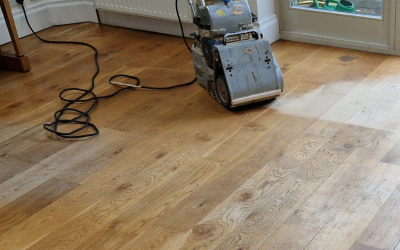
3) Professional floor sanding: the foundation of every premium finish
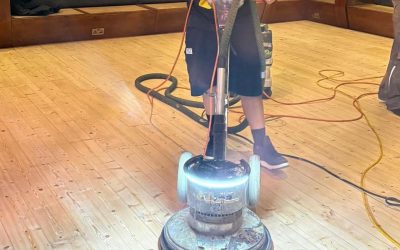
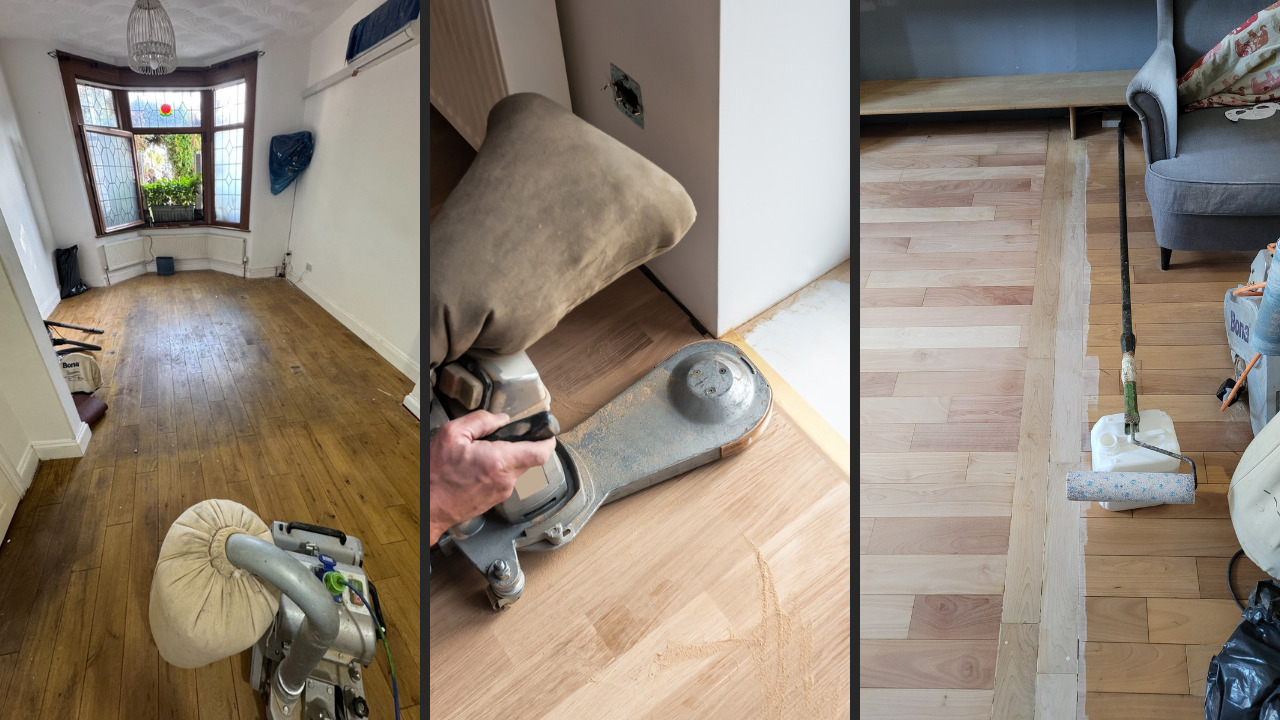
Sanding isn’t about “scraping the top”. It’s a staged levelling process: rough, medium, then fine sanding to strip old coatings and leave clean, smooth timber ready to take stain and sealant evenly.
This is the part that gives you:
- A flat, even look (no ripples or uneven patches)
- Crisp grain definition
- Better adhesion for lacquer/oil
- A smoother underfoot feel that screams “high end”
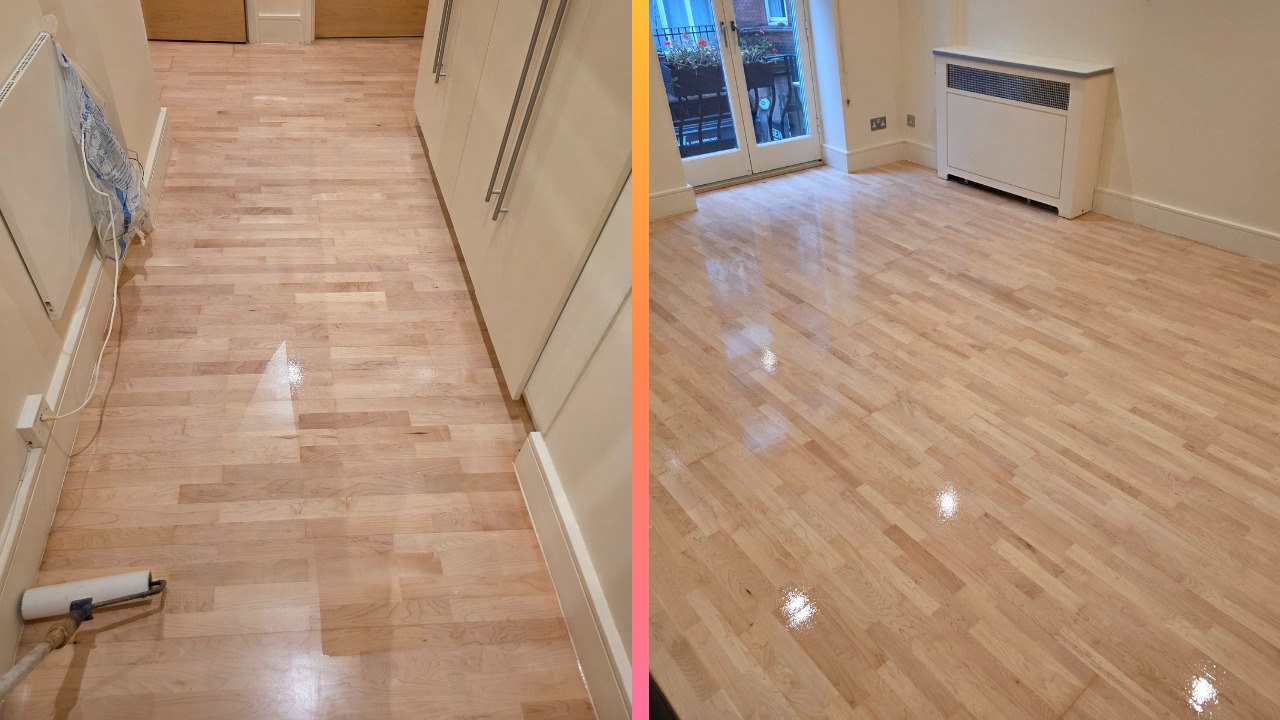
If you want a clear idea of what’s possible, browse the gallery for transformations.
Staining: how to get “rich” colour without patchiness
Colour is where luxury floors can either look incredible… or immediately look cheap.
A rich finish usually comes from one of two routes:
Option A: Enhance the natural tone (timeless luxury)
Clear/natural stains can subtly deepen the timber and highlight the grain without making it look “painted”.
This is a favourite for:
- Oak boards
- Walnut (when you want depth)
- Period properties where you want authenticity
Option B: Change the mood (modern luxury)
Coloured stains can transform the feel of a room — from bright and airy to moody and dramatic. Modern water-based stains are often chosen because they’re low-odour and practical in occupied homes.
Key rule: stain first, then seal. It’s generally more controllable and durable than trying to rely on “coloured lacquer” alone.
If you’re unsure what suits your timber, your lighting, and your décor — you’ll get better results by speaking to a specialist before you commit.
Choosing the right finish for a luxury feel (and real life)
Here’s the truth: the “best” finish isn’t universal. The best finish is the one that gives you the look you want and survives how you live.
Below are the main finishing routes we use and recommend, depending on the floor and the household.
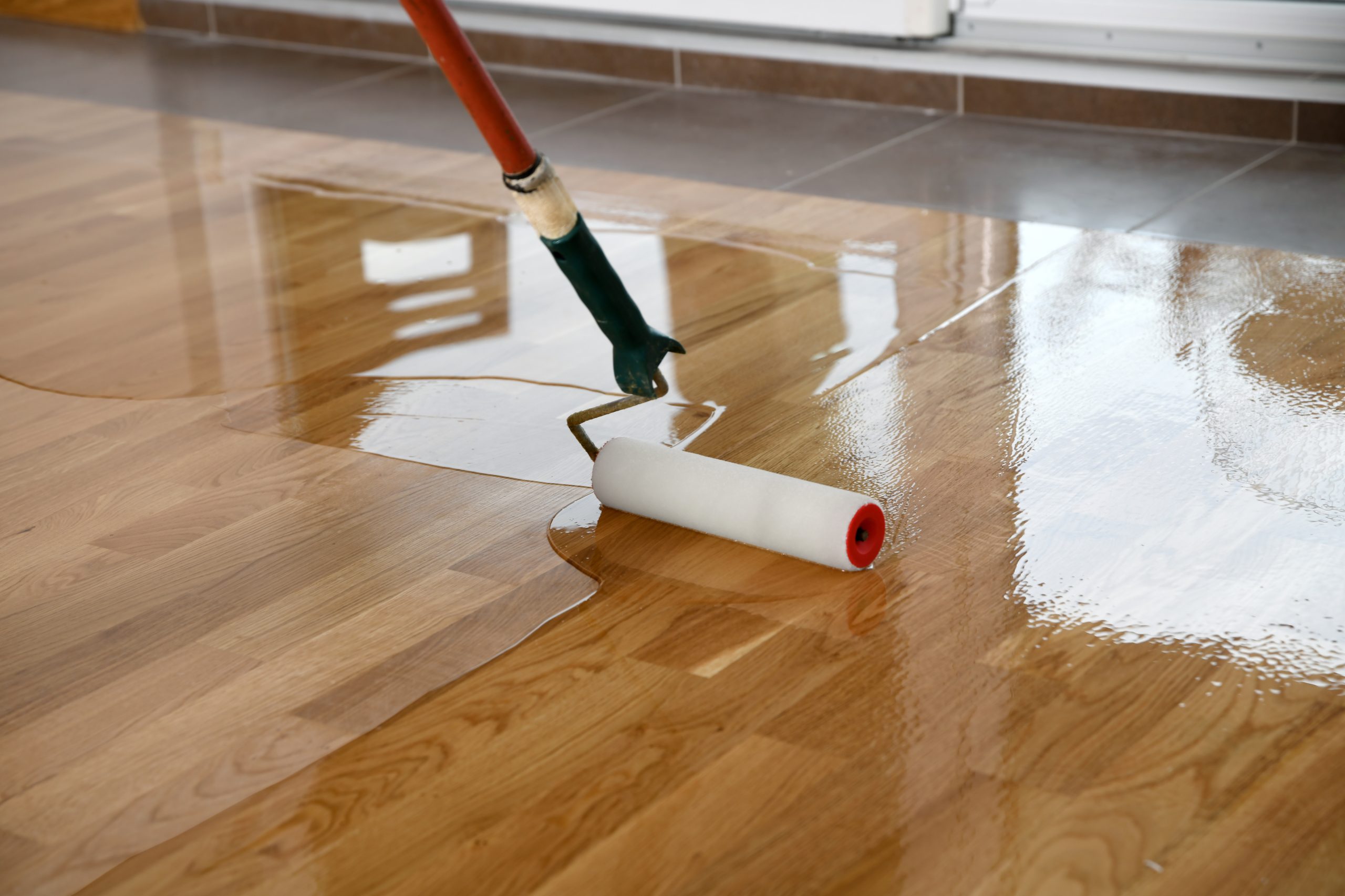
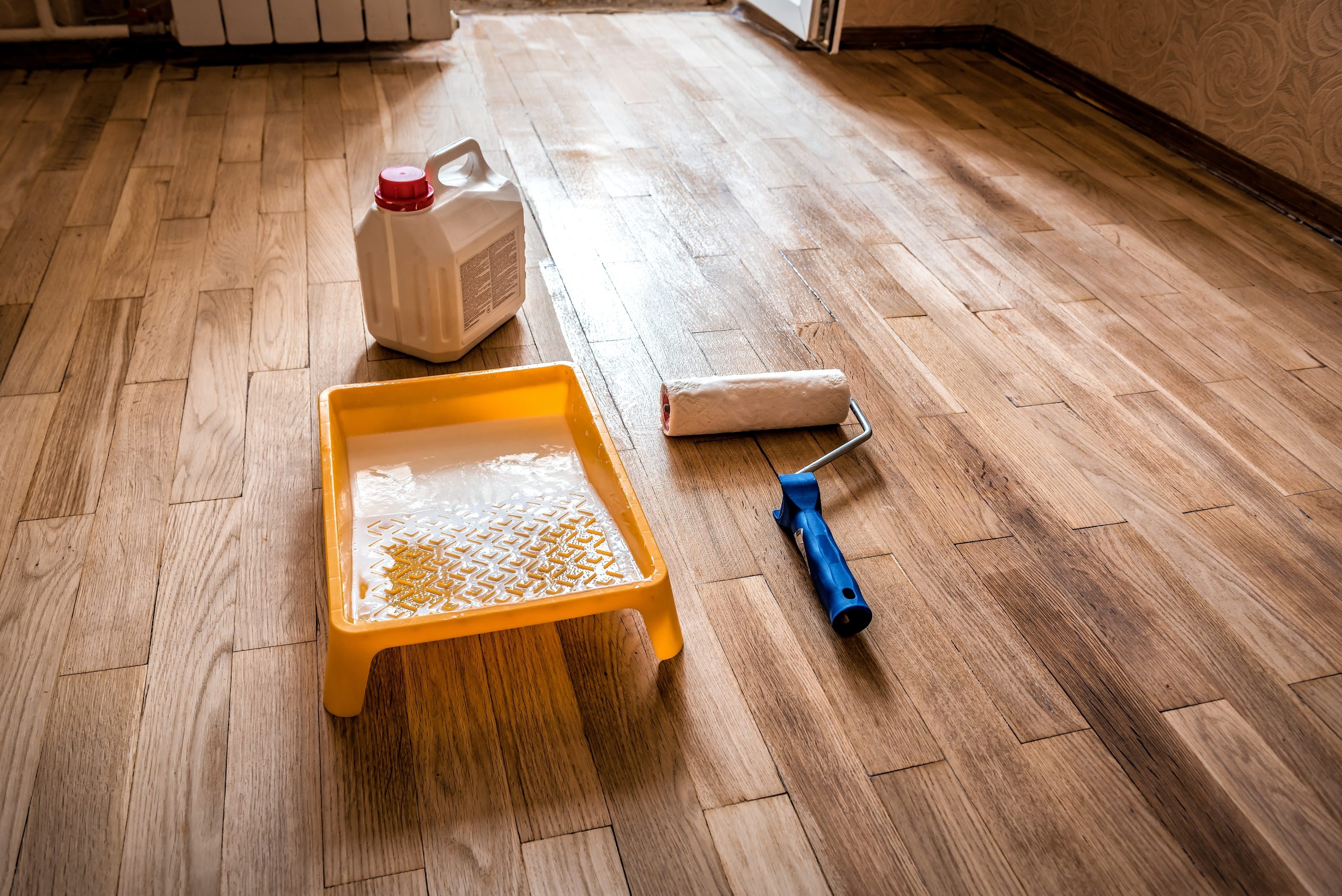
1) Lacquer: sleek, durable, premium (great for busy homes)
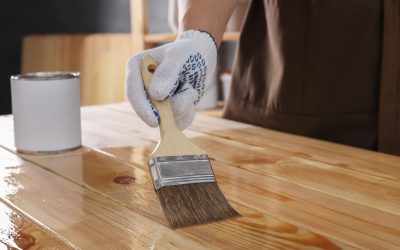
Lacquered wood floor sealing is one of the most durable options for mid-to-heavy traffic areas. Modern water-based lacquers are designed to avoid that old-fashioned “thick plastic” look, while still giving a smart, silky sheen in matt, satin, or gloss.
Best for:
- Hallways, living rooms, open-plan areas
- Families and pets
- Anyone who wants strong protection with straightforward maintenance
2) Hardwax oil: the “boutique hotel” vibe underfoot
Hardwax oil brings out grain and colour beautifully, with a more natural look than lacquer — while still offering better durability than traditional oil.
Best for:
- People who want a natural, rich tone
- Period homes and character properties
- Anyone who wants a finish that can be refreshed more easily over time
3) Natural oil: traditional warmth and patina (with more upkeep)
Wood floor oiling gives a classic, warm, “fed” look because it penetrates the wood. It’s also easier to top up in local areas — but it typically needs more regular maintenance than lacquer.
Best for:
- Traditional interiors
- People who love that evolving patina
- Homes where you don’t mind periodic refreshing
4) Wax finishes: mellow, breathable, classic
Wood floor waxing creates a softer, mellow appearance and a traditional feel.
This can be a beautiful look — but it’s not always ideal for heavy traffic and modern “spills happen” lifestyles.
Sheen levels: matt, satin, or gloss?
This is where “luxury” becomes personal preference.
- Matt: modern, subtle, hides small marks well
- Satin: the most popular “high-end home” look — soft glow, not flashy
- Gloss: bold, dramatic, reflective (and shows more imperfections)
If you’re chasing that rich luxury feel without looking overdone, satin is often the sweet spot.
What does hardwood floor refinishing cost in London?
Costs depend on your floor type, condition, prep work needed (repairs/gap filling), and your chosen finish.
As a starting point, Refinish Wood Floors lists floor sanding only from £22.00 per m², with different packages depending on finishes (lacquer, oils, hardwax oils, staining, etc.).
Gap filling options and additional items (like stairs, carpet removal, furniture moving, and repairs) are also shown on the prices page, which is a useful guide before you request a quote.
How to keep that luxury feel for years (simple aftercare wins)
A premium finish stays premium when you treat it like a premium surface — not like a disposable one.
Do this and your floor will keep its rich look far longer:
- Use felt pads under chairs and furniture
- Keep grit out (door mats + regular vacuuming)
- Avoid soaking the floor — damp mop, not wet mop
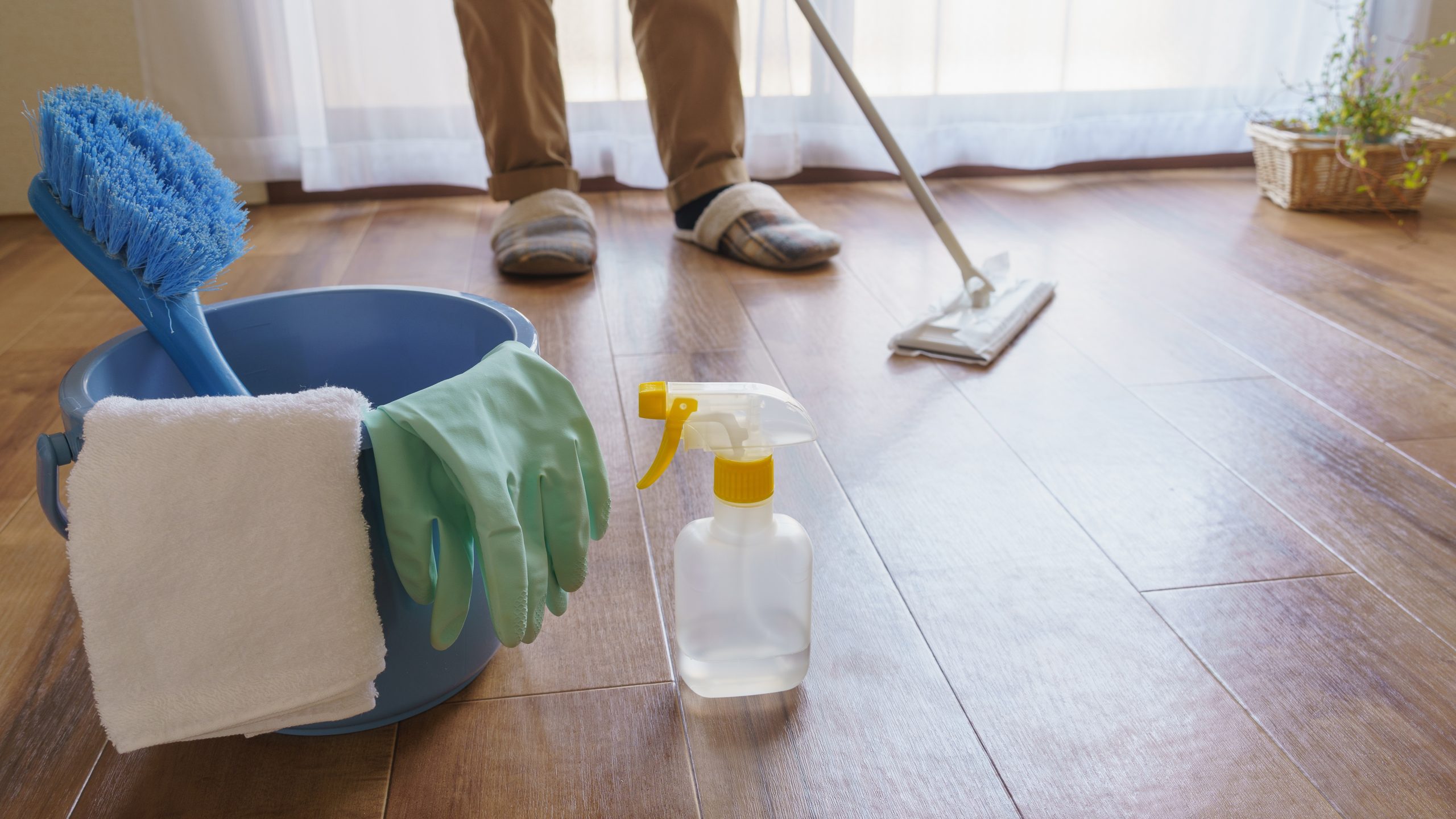
- Clean with products suitable for your finish type (oil vs lacquer differs)
- Refresh when needed rather than waiting until it’s fully worn through
And if you’re unsure which finish you currently have, don’t guess — it can lead to the wrong cleaner and a dull, streaky look.
Luxury underfoot starts with a proper assessment
If you want that rich, high-end look — the kind that makes a room feel more expensive the second you walk in — the fastest route is a professional assessment of:
- timber type (hardwood/softwood, boards/parquet)
- thickness and sanding history
- repairs and gap filling needs
- the best finish for your traffic level and lifestyle
You can contact Refinish Wood Floors on 020 3151 3757 or use the website to request a quote/assessment.
Next step:
- Explore services: floor sanding, repairs, staining, sealing, oiling & waxing
- Review guide pricing: prices
- Get in touch: contact us
- Prefer a callback? request a callback
When you’re ready, tell us what rooms you’re refinishing and the look you want (natural, darker, ultra-matt, satin glow, etc.) — and we’ll point you towards the finish that will look luxurious and last.